ROUGE PILATES

THE HISTORY OF PILATES

From a movement method to a worldwide phenomenon.

Long before modern studios and music-driven classes, Pilates was born from a simple idea: using movement to make the body stronger, more mobile and more resilient.

The origins

IT ALL BEGINS WITH JOSEPH PILATES

Born in Germany in 1883, Joseph Pilates developed an interest in the human body and movement from an early age. He studied and experimented with different physical disciplines, then gradually developed his own training method, which he called Contrology.

But Joseph Pilates wasn't just passionate about movement. He was also a true inventor.

He was constantly looking for new ways to help the body move, get stronger and regain better function. This thinking led him to design various pieces of equipment using springs as a form of resistance.

Unlike traditional weights, springs create progressive resistance and keep the body under tension throughout the movement. This research gave rise to several pieces of equipment that are now iconic to the method, including the Reformer and the Cadillac.

An approach that, nearly a century later, continues to evolve.
1883 Birth of Joseph Pilates
Contrology Development of the method
Reformer & Cadillac Creation of the equipment
The expansion

HEADING TO NEW YORK

In the 1920s, Joseph Pilates settled in New York with his wife, Clara Pilates, with whom he opened a studio in Manhattan.

Their studio was located in an environment closely tied to the world of dance. This proximity quickly attracted dancers and choreographers, who discovered in his method a complementary way to build strength, control and mobility.

This meeting between the Pilates method and the world of dance would have a major influence on its evolution and how it spread.

Over the years, his students began teaching in turn. The method traveled, evolved, and gradually reached a much wider audience.

The method traveled, evolved, and gradually reached a much wider audience.

The method

WHY DOES PILATES STILL WORK TODAY?

Control Precision Breathing Mobility Stability Coordination Time under tension

« LOW IMPACT DOESN'T MEAN LOW INTENSITY. »

Because its principles are still just as relevant.

Pilates focuses on control, precision, breathing, mobility and the ability to maintain muscular tension through movements performed with intention.

It's a low-impact practice, meaning it creates a demanding workout while limiting repeated impact on the joints.

But low impact certainly doesn't mean low intensity.

Using body weight, the Reformer's springs and various props, you can play with resistance, tempo, range of motion and time under tension to create deep, complete muscular work.

Pilates thereby builds strength, muscular endurance, stability, coordination and mobility, while improving body awareness and movement quality.

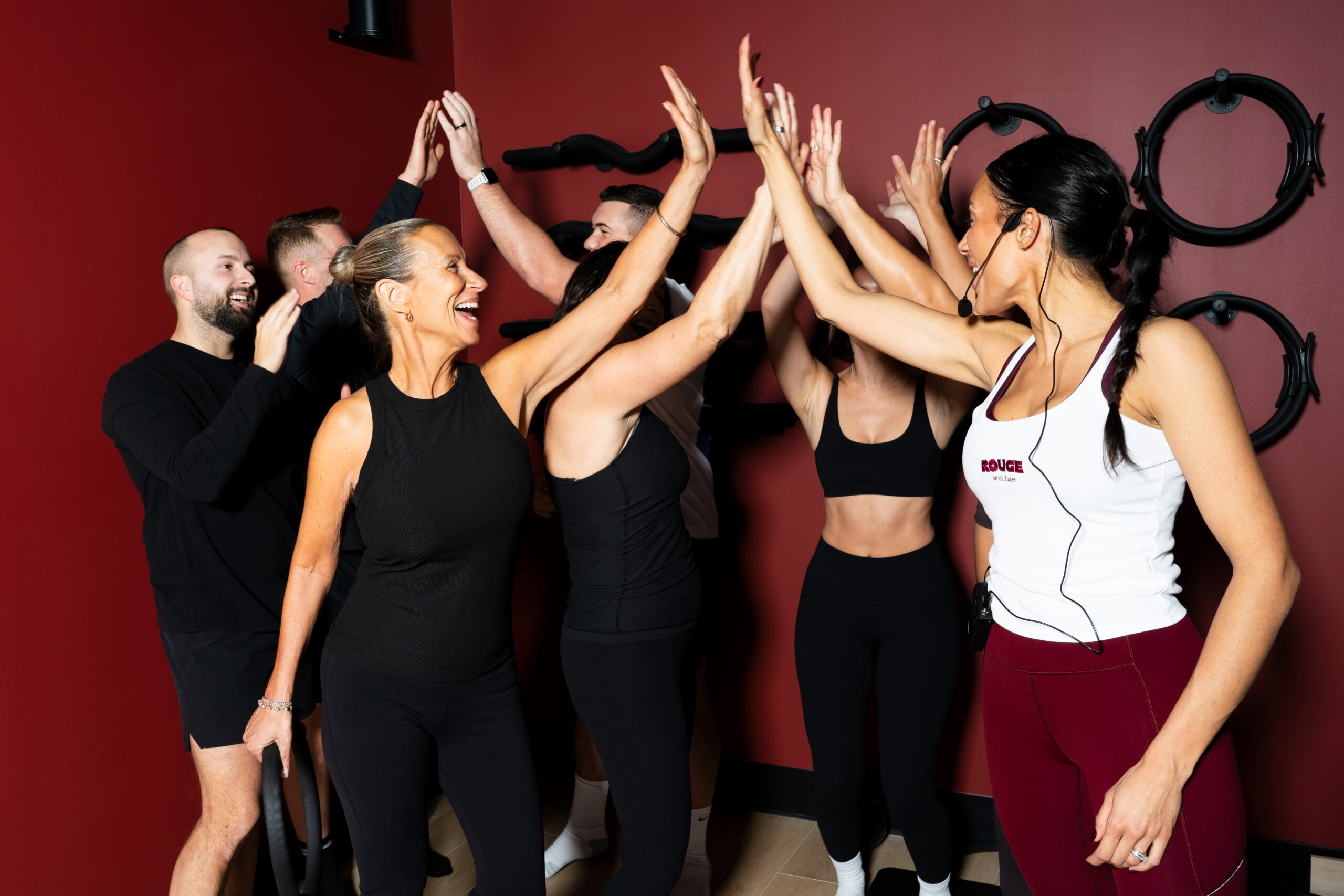
Modern Pilates class at Rouge Pilates in Gatineau
The evolution

FROM CLASSICAL TO MODERN PILATES

Since the early years of Contrology, Pilates has evolved enormously.

Classical Pilates seeks to preserve, as faithfully as possible, the exercises, sequences and principles passed down by Joseph Pilates.

But over time, new generations of teachers began incorporating their own knowledge and influences into the practice.

Today, the word Pilates represents a much broader world.

Some approaches remain deeply rooted in the classical method, while others offer a more modern, athletic and dynamic interpretation. The equipment has evolved. The class formats have multiplied. The science of movement has advanced.

And that is exactly what keeps this discipline so relevant today.

Dance Barre Functional training Strength training Music Contemporary fitness
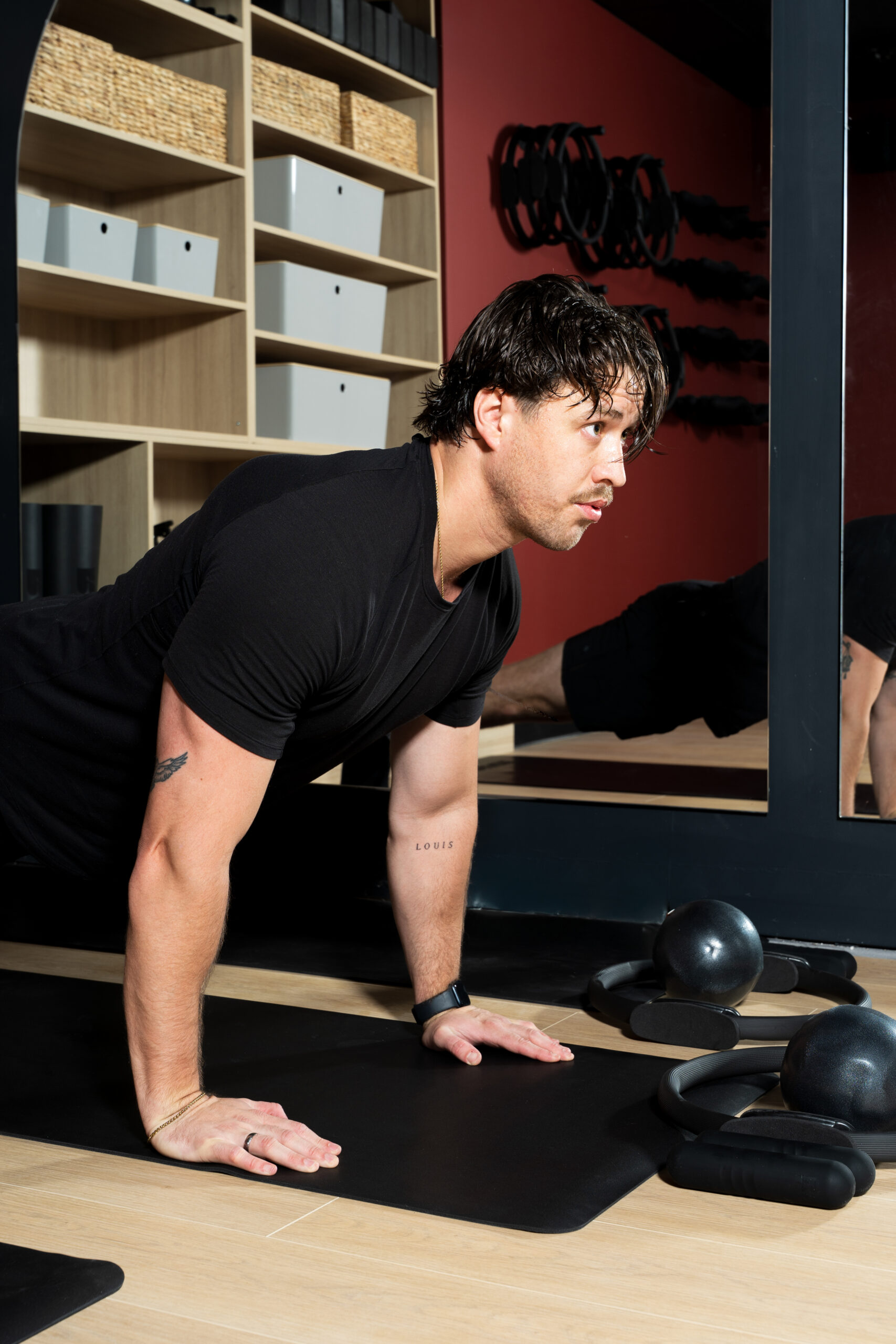
Studio Rouge Pilates à Gatineau
At ROUGE

A METHOD THAT KEEPS EVOLVING

At ROUGE, we believe it's possible to honor the foundations of Pilates while evolving the way they are experienced.

Our approach draws on the control, precision and connection to movement at the heart of the method, while incorporating a more modern vision of training.

From Mat to Reformer, our classes can incorporate different influences, props, resistance, time-under-tension work and dynamic sequences to create an experience that fits our community and our time.

Because today's Pilates doesn't necessarily look like it did 100 years ago.

AND THAT'S EXACTLY WHAT MAKES ITS EVOLUTION SO BEAUTIFUL.

DISCOVER PILATES, THE ROUGE WAY

Explore our Mat Pilates and Reformer Pilates classes and discover a modern, dynamic and accessible approach to movement.

BACK TO HOMEPAGE